


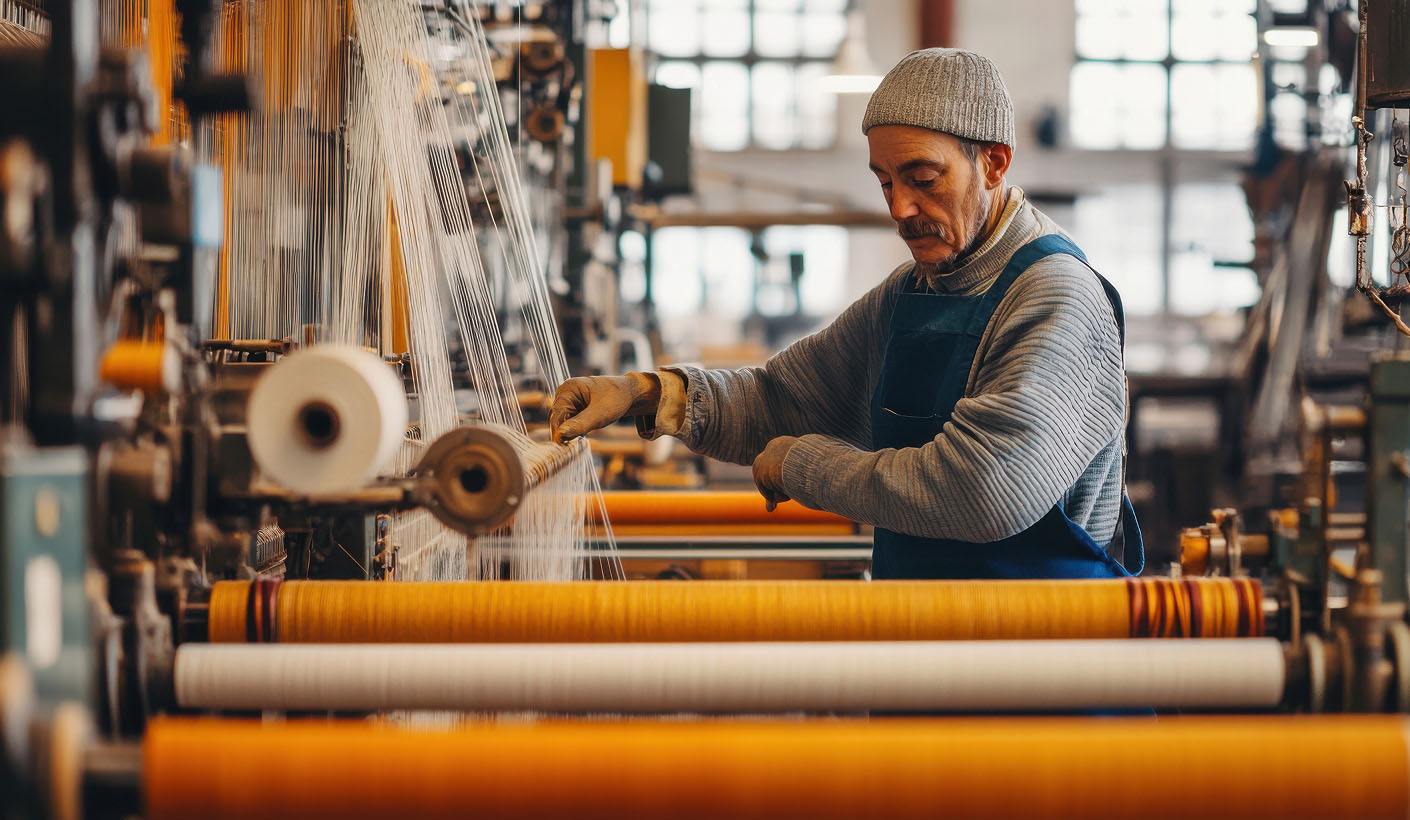

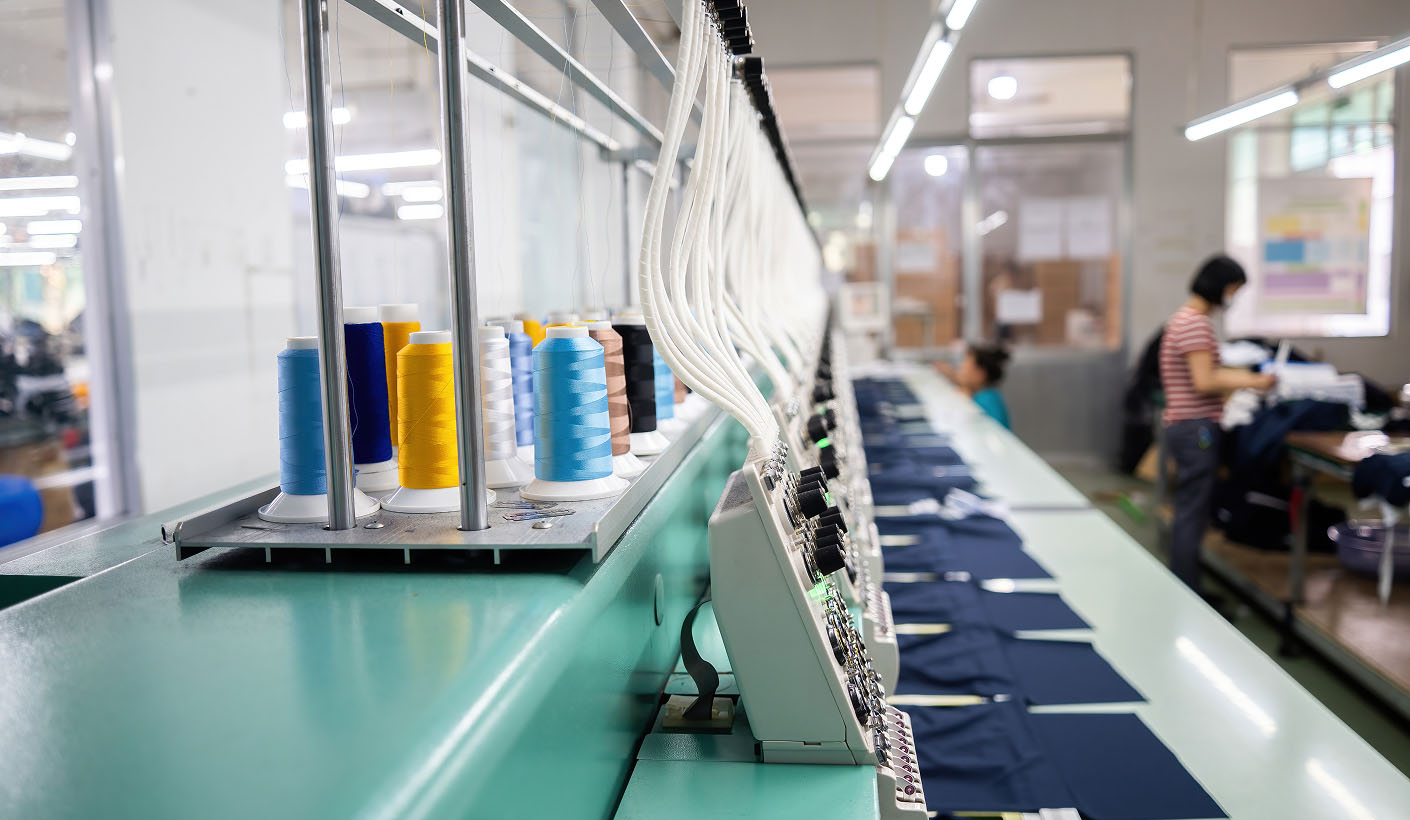
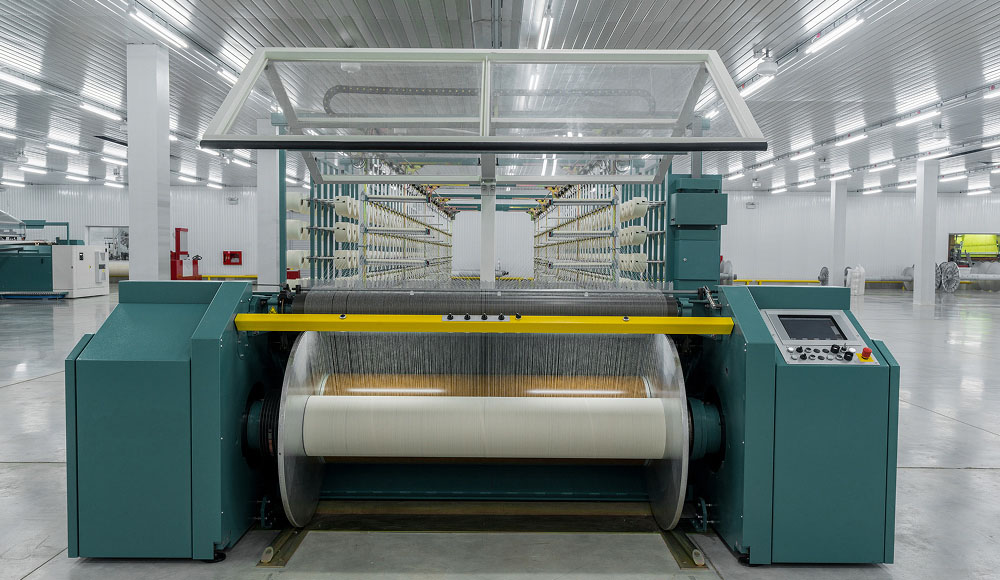
This initial stage involves a precise sequence of chemical baths and washing cycles that transform the “grey” (raw) fabric into a clean, highly reactive substrate. This is where we control the foundation for color consistency, hand-feel, and final finish performance.
Less breathable than natural fibers
High durability and resistance to wear and tear
Cost-effective to produce in large quantities
Product Design & Development
Maecenas volutpat blandit aliquam etiam erat
professional quality inspection teams
Easy care and maintenance
Derived from non-renewable fossil fuels
Desizing
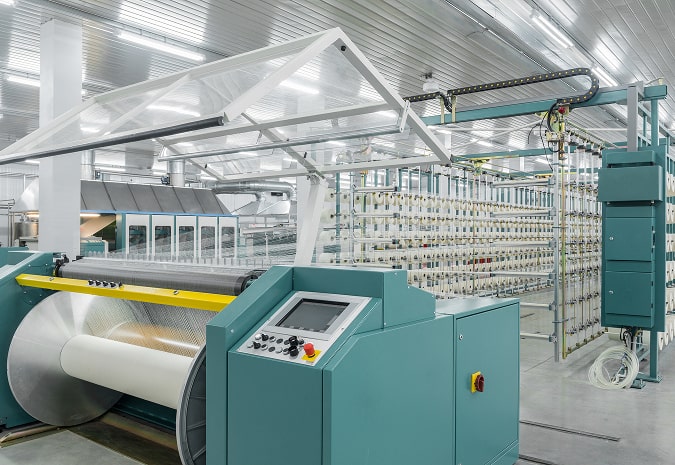
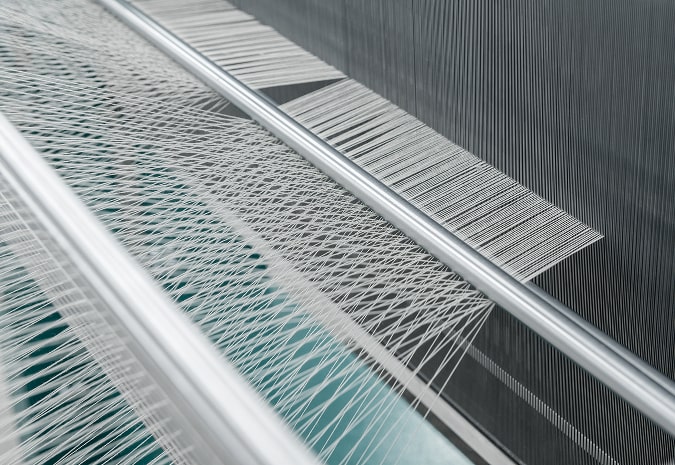
Desizing is the essential first chemical process applied to “grey” (loom-state) fabric. Its purpose is the complete removal of sizing agents—the protective coatings applied to warp yarns before weaving. If this step is incomplete, it will ruin all subsequent finishing processes.
The Role of Sizing Agents
During the weaving process, warp yarns are subjected to high friction and tension. To prevent these yarns from breaking, a protective coating (the sizing agent, typically starch derivatives, PVA, or acrylic polymers) is applied. Once weaving is complete, this coating is no longer needed and becomes a contaminant.
Why Complete Desizing is Non-Negotiable If sizing residue remains, it acts as a barrier:
Poor Hand-Feel: The residue imparts a harsh, stiff, and rough feel to the textile.
Finish Failure: Value-added finishes like Wrinkle-Free or Water Repellent will not adhere or penetrate properly, leading to poor durability and inconsistent performance.
Washing / Neutralizing
This process immediately follows highly reactive chemical treatments like desizing, scouring, and bleaching. While often overlooked, Washing and Neutralization is a vital checkpoint that prevents fiber damage and ensures the chemical stability of the textile for subsequent finishing stages.
Reason : Extreme pH (too high/alkaline or too low/acidic) can degrade cellulosic fibers (like cotton) over time, leading to premature yellowing or strength loss also This critical step chemically stops the reactive processes, stabilizing the fibers and ensuring that the fabric surface won’t react negatively with the specific, often pH-sensitive, chemical finishes applied later (e.g., silicone softeners or specialty functional resins).
Why Thorough Washing is Essential
Prevents Yellowing and Degradation
Color Accuracy
Finish Compatibility
Crinkle Wash
Aesthetics: Provides a soft, voluminous hand-feel and a textured look that adds dimension and visual interest to lightweight fabrics.
Traditional Method (Tension): In some constructions (like high-twist yarns), the crinkle is achieved purely by leveraging the high twist energy of the yarn during the wet-processing and subsequent drying/steaming process.
Versatility: This method is fiber-dependent but results in a naturally durable crinkle effect that is inherent to the textile structure.
Engineered way: The process relies on differential shrinkage or chemical stabilization. The fabric is often treated with a tension-inducing chemical (or resin) and dried/cured under highly controlled, high-tension, or restricted-width conditions.
Engineering the Puckering: The tension applied during processing is greater than the fabric’s natural relaxation rate. When the fabric is released, the yarns attempt to return to a relaxed state, creating the characteristic puckering or crinkle effect.
Key Benefits of Precision Crinkle Wash
Fashion-Forward Texture
Low Maintenance Claim
Product Differentiation
Consumer Convenience
Comfort & Fit
Silicon & Softener Application
This final conditioning step in the wet processing stage is dedicated entirely to optimizing the textile’s tactile properties, known in the industry as “hand-feel” or “handle.” By applying specialized softening agents, we transform a clean but stiff fabric into a soft, supple, and luxurious material, adding immediate market appeal.
Benefit : Silicone polymers deposit a micro-thin, durable lubricating film around the individual fibers. This reduces friction between and gives Superior smoothness, excellent wrinkle recovery, and improved elasticity.
Key Performance Benefits for the Client
Improved Drape: Makes the fabric hang and flow better (crucial for dresses, curtains, and high-end shirts).
Sewability & Efficiency: The lubricated surface reduces needle heat and friction during stitching, minimizing needle breakage and increasing sewing line efficiency for garment manufacturers.
Reduced Abrasion: The silicon layer protects the fibers, slightly increasing the fabric’s resistance to abrasion and tear strength.
Understand your business
what is main problems faced textile industry ?
If you are looking to lose weight, maintain healthy weight or gain lean muscle mass, our Certified Sports Nutritionist will create a personalized nutrition plan to help you achieve your goals.
what is the importance of texttile industry?
If you are looking to lose weight, maintain healthy weight or gain lean muscle mass, our Certified Sports Nutritionist will create a personalized nutrition plan to help you achieve your goals.
how can improve textile industry?
If you are looking to lose weight, maintain healthy weight or gain lean muscle mass, our Certified Sports Nutritionist will create a personalized nutrition plan to help you achieve your goals.
what is the demand for textile industry?
If you are looking to lose weight, maintain healthy weight or gain lean muscle mass, our Certified Sports Nutritionist will create a personalized nutrition plan to help you achieve your goals.